
Introduction
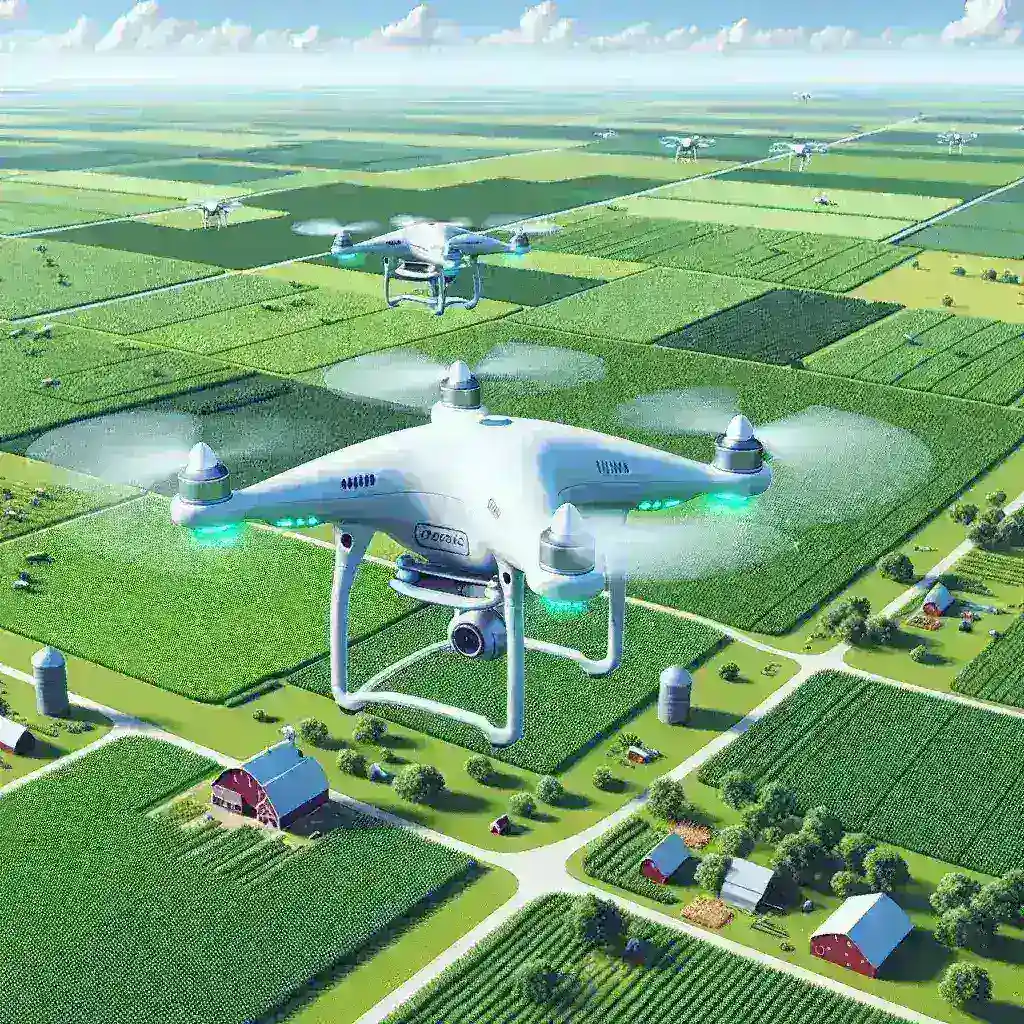
In a groundbreaking move for the agricultural sector, DJI has recently launched a new fleet of drones designed specifically for monitoring farms across the Midwest. This innovative technology is set to transform the way farmers manage their crops, offering unprecedented insights and efficiency. In this article, we will delve into the significance of this development, the technology behind the drones, and how it can impact farming practices in the region.
The Evolution of Agricultural Technology
Historically, agriculture has been slow to adopt new technologies compared to other sectors. However, the past few decades have seen rapid advancements, from the introduction of GPS-guided tractors to sophisticated irrigation systems. Drones represent the latest frontier in this technological evolution, enabling farmers to gather data and insights that were previously time-consuming and costly to obtain.
Why Drones?
Drones offer several advantages over traditional monitoring methods:
- Efficiency: Drones can cover large areas of farmland quickly, providing real-time data.
- Cost-Effectiveness: By streamlining data collection, drones can reduce labor costs and increase productivity.
- Precision: They can capture high-resolution images and data, allowing for detailed analysis of crop health.
DJI’s New Drone Fleet
The newly launched DJI fleet includes a variety of models tailored for different agricultural tasks, from crop scouting to health assessments. These drones are equipped with advanced sensors and imaging technology, enabling them to analyze plant health, assess soil moisture levels, and even detect pest infestations.
Key Features
- Multi-Spectral Imaging: This technology allows drones to capture images in various spectra, providing vital information on plant health.
- Automated Flight Plans: Farmers can set waypoints and programs for their drones, allowing for consistent monitoring without manual intervention.
- Data Integration: The drones easily integrate with existing farm management software, allowing farmers to analyze data effectively.
Impact on Midwest Farms
The Midwest is known for its vast agricultural output, primarily corn and soybeans. With the introduction of DJI’s drone technology, farmers in this region can expect significant improvements in their operations.
Enhanced Crop Management
By utilizing drones, farmers can monitor crop growth and health more closely. This real-time data allows for precise interventions, such as targeted fertilization or pest control, ultimately leading to increased yields.
Sustainability Benefits
Using drones promotes more sustainable farming practices by optimizing resource usage. For instance, farmers can apply water and fertilizers more efficiently, reducing waste and minimizing environmental impact.
Statistical Insights
According to recent studies, farmers using drones have reported a 15% increase in crop yields on average. This statistic underscores the potential for drone technology to revolutionize agricultural practices in the Midwest.
Expert Opinions
Industry experts have praised DJI’s initiative, noting that this technology could be a game-changer for the agricultural sector. Dr. Emily Hart, an agronomist at the University of Illinois, stated, “With drones, we have the opportunity to truly understand our crops’ needs in real-time, leading to smarter decisions and better yields.”
Challenges and Considerations
While the benefits of drone technology are clear, there are challenges that farmers must navigate:
- Initial Investment: The cost of acquiring drone technology can be substantial, which may deter some farmers.
- Regulatory Challenges: Farmers must comply with aviation regulations, which can vary by state.
- Training Requirements: Effective use of drone technology requires training, both in operating the drones and analyzing the data.
Future Predictions
Looking ahead, the adoption of drone technology in agriculture is expected to grow significantly. As costs decrease and technology improves, more farmers will likely embrace this innovative approach. Furthermore, advancements in artificial intelligence could enhance data analysis, providing even more insights for farmers.
Conclusion
DJI’s launch of its drone fleet marks a significant milestone in agricultural technology. For farmers in the Midwest, these drones promise to enhance efficiency, increase yields, and promote sustainable practices. As the agricultural landscape continues to evolve, the integration of such innovative technologies will be crucial for the future of farming. Embracing these advancements could lead to a new era of productivity and sustainability in the Midwest farms.